

Treatments, Types, and Expectations
Often referred to as social phobia, social anxiety disorder (SAD) involves more than just shyness. It is a severe, enduring fear of being observed, scrutinized, or humiliated in social and performance contexts. This illness interferes with daily activities, career advancement, and interpersonal connections for millions of people worldwide.
Social anxiety medications are often used to balance brain chemistry, reduce physical discomfort, and help people regain control over their lives, even if cognitive-behavioral techniques and lifestyle changes are crucial to rehabilitation. You and your healthcare provider can make well-informed selections if you are aware of how these drugs function, their main categories, possible side effects, and complimentary therapy.
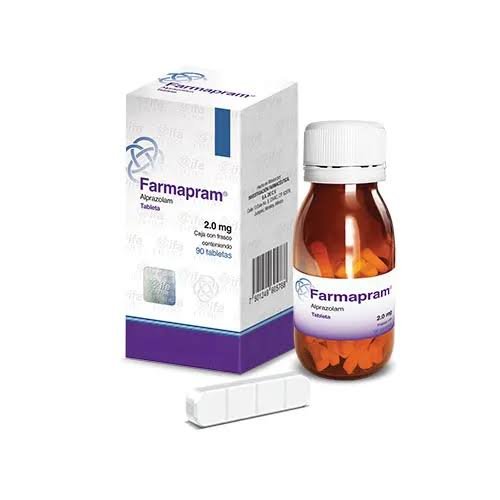
How Social Anxiety Pills Work
Neurotransmitters, the chemical messengers in the brain that control mood, stress reactions, and panic signals, are the focus of medications for social anxiety. Among the important neurotransmitters involved are:
Serotonin: Controls anxiety, mood, and overall emotional stability.
Norepinephrine: Affects energy, alertness, and the fight-or-flight reaction.
Gamma-Aminobutyric acid, or GABA, has a calming effect by inhibiting brain activity.
Social anxiety medications lessen the intense feeling of dread prior to or during social interactions by modifying the amounts or receptor sensitivity of certain substances.
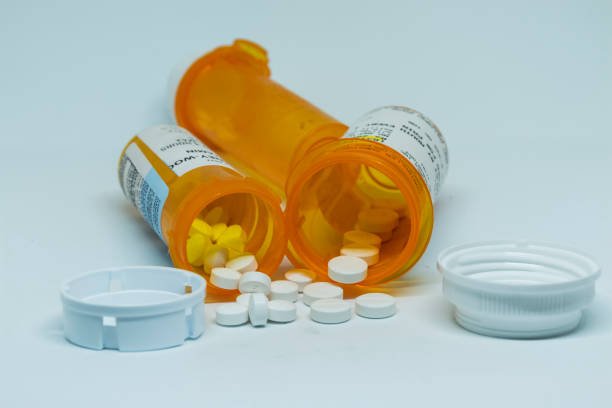
Primary Categories of Social Anxiety Pills
Pharmaceutical treatments for social anxiety are typically classified by healthcare providers into three basic categories: situation-specific medicines, short-term relief drugs, and daily maintenance medications.
- First-line treatments, such as SSRIs and SNRIs
For the long-term treatment of social anxiety disorder, selective serotonin reuptake inhibitors (SSRIs) and serotonin-norepinephrine reuptake inhibitors (SNRIs) are regarded as the gold standard. To gradually establish steady levels in the bloodstream, they are given every day.
Timeline: It usually takes 4 to 8 weeks of regular daily administration of these drugs before your anxiety levels significantly improve.
Nausea, slight weight fluctuations, sleeplessness, exhaustion, and sexual dysfunction are typical side effects.

Beta-Blockers (Performance Anxiety Relief)
Although beta-blockers were first created to treat high blood pressure, they are frequently used off-label to treat social anxiety related to performance, such as high-stakes job interviews, public speaking, and musical performances.
How They Work: Beta-blockers prevent adrenaline from acting on the body’s beta receptors rather than changing the chemistry of the brain. This prevents physical signs of nervousness, such as perspiration, trembling hands, a racing heart, and a wobbly voice.
Typical Examples: Atenolol (Tenormin) and Propranolol (Inderal).
Use: Taken as needed, around half an hour to an hour before a stressful situation.
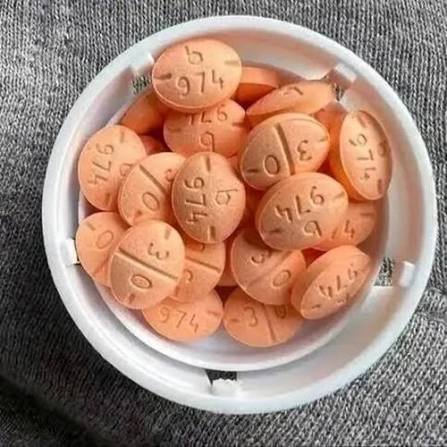
Benzodiazepines (Fast-Acting, Short-Term Relief)
Benzodiazepines provide quick sedative and anxiety-reducing effects by amplifying GABA’s actions in the central nervous system.
Typical Examples: Lorazepam (Ativan), Clonazepam (Klonopin), and Alprazolam (Xanax).
Use: Doctors typically save these medications for short-term use, severe flare-ups, or acute panic attacks because to the possibility of tolerance, physical dependence, and misuse.

Over-the-Counter Alternatives and Supplements
Some people look at over-the-counter (OTC) remedies for mild nervous tension, even though prescription drugs are still the most effective pharmaceutical intervention for clinical social anxiety disorder:
Green tea contains an amino acid called L-theanine, which encourages relaxation without making you feel sleepy.
Studies have demonstrated that the adaptogenic herb ashwagandha can help regulate cortisol, the body’s stress hormone.
Magnesium glycinate: Promotes muscular relaxation and nervous system control.

Combining Pills with Therapy for Best Results
Even though social anxiety medications greatly reduce mental and physical discomfort, studies repeatedly demonstrate that the best long-term results are achieved when medication is combined with psychological therapy.

Cognitive Behavioral Therapy (CBT)
CBT assists people in recognizing and reframing faulty thought patterns (such “everyone is watching me” or “I am going to fail”). A CBT subcomponent called exposure treatment assists patients in safely and carefully reintroducing themselves to social stressors over time. Patients can participate in exposure exercises with a decreased terror reaction when medication and cognitive behavioral therapy are combined.
Improvements to Lifestyle
Recovery is enhanced when fundamental health practices are combined with clinical treatment:
Frequent aerobic exercise increases natural endorphins and decreases the circulation of stress hormones.
During interactions, mindfulness and meditation can help divert attention from nervous thoughts.
Limiting Stimulants: Cutting back on nicotine and caffeine helps avoid abrupt heart rate increases and physical agitation.
Key Questions to Ask Your Doctor
Before starting any new medication, discuss the following with your prescribing medical practitioner:
- How long will it take before I feel the full effects of this prescription?
- What side effects should I watch for during the first two weeks?
- Is this medication meant for daily long-term maintenance or as-needed use?
- How will we taper off the dosage if I decide to discontinue the medication later?